Day-of Coordinating
You Celebrate,We Coordinate
Harmony Events provides day-of coordination designed to bring your vision to life, managing every detail so your day unfolds flawlessly.
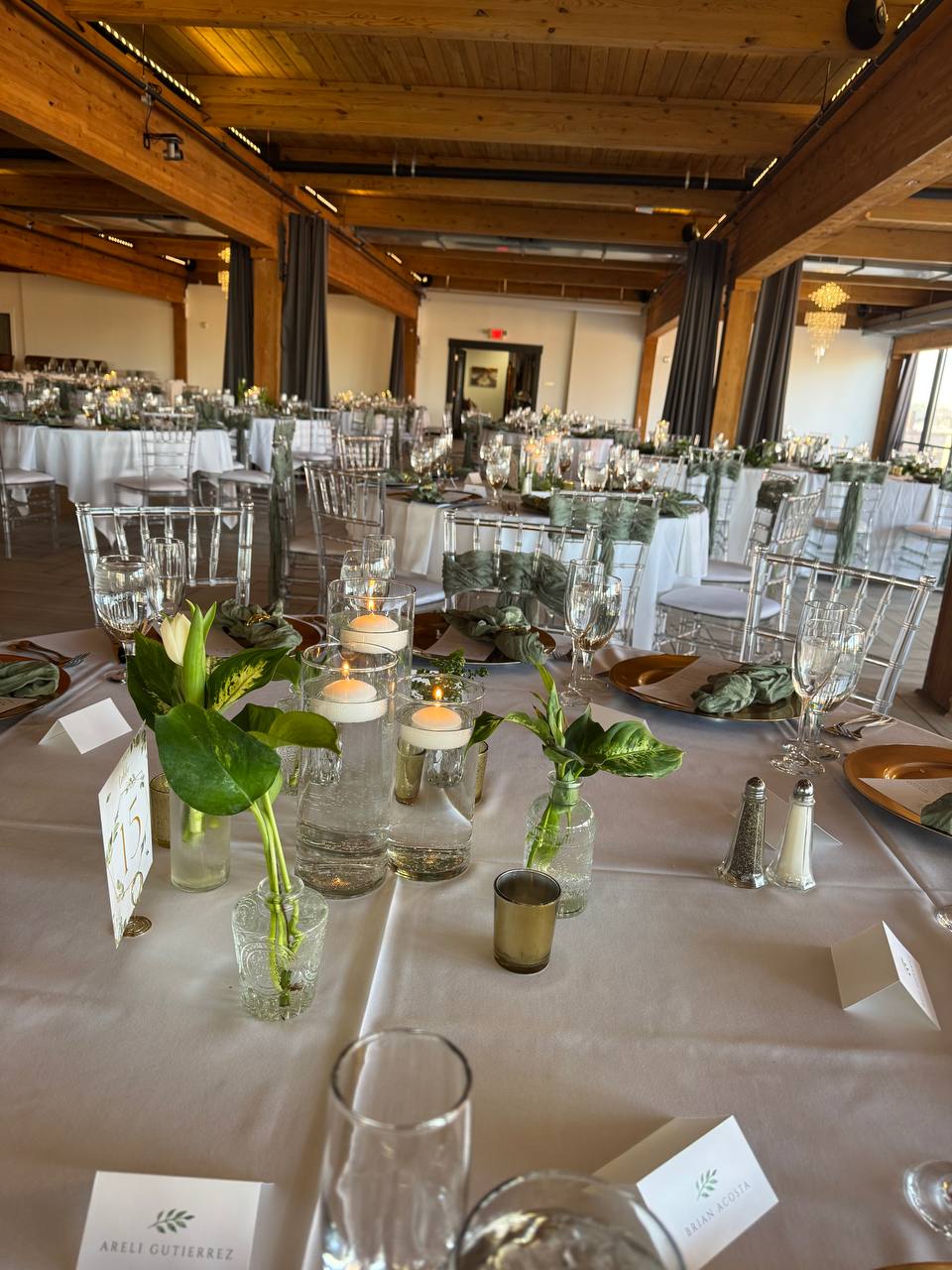
At Harmony Events, we step in to make sure your wedding day flows smoothly from beginning to end.
Services
The details guests should never notice.
Vendor coordination
Ceremony and reception flow
Guest experience support
Process
01
Discovery
We learn the event, priorities, pressure points, and the people involved.
02
Handoff
Vendor contacts, floor plans, ceremony details, and timelines are reviewed before event week.
03
Final alignment
We confirm logistics, smooth out gaps, and make sure everyone knows the plan.
04
Event day
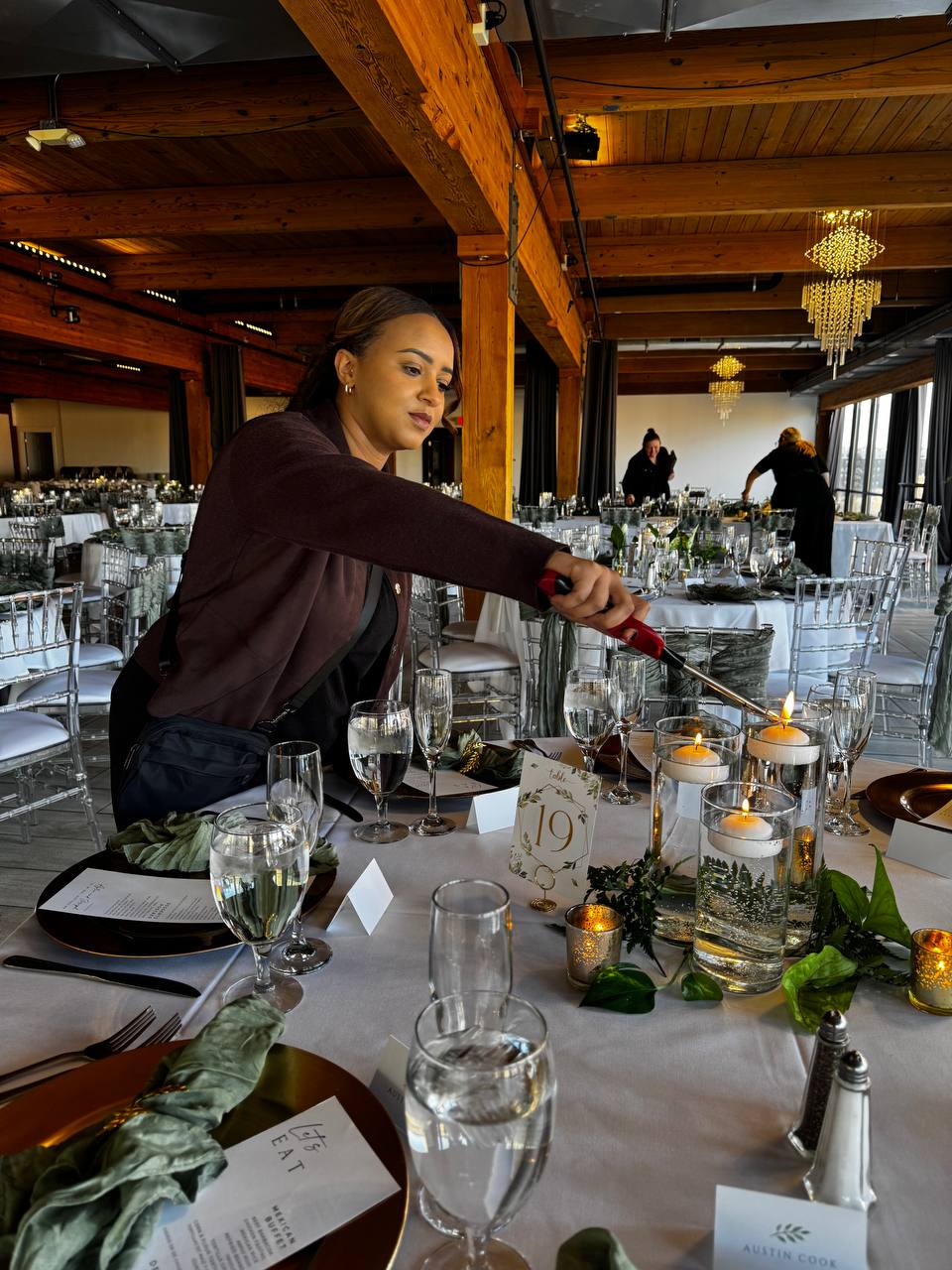
The timeline is managed quietly so the couple can stay present.
01
Calm
02
Clear
03
Ready
Why it works
Elegant does not mean vague.
A beautiful event still needs exact ownership. Harmony Events keeps the visible experience soft while the plan underneath stays specific.
Before guests arrive
Tables, candles, place cards, vendor timing, and room readiness are checked before the day starts asking questions.
During the event
Cues, transitions, family needs, and vendor communication stay coordinated without pulling attention from the celebration.
Inquire
Tell us where the day needs support.
This first form is intentionally short. It should create a conversation, not ask the client to plan the whole wedding twice.